sábado, 28 de marzo de 2015

CELEBRATING APRIL 23RD... but... what exactly are we supposed to be celebrating that day?


Do you know what people around the world celebrate on April 23rd?

NO? REALLY?

OK, I'LL GIVE SOME CLUES:


1. What can you see in this picture?... Not difficult, right? BOOKS!


2. "Words, words, words... Once I had the gift"
Once something has been expressed using words, it will be forever eternal.

 3. Can you imagine a life where books did not exist? They offer us so much! They make us laugh, cry, dream, imagine, escape from reality, learn...

DID YOU GUESS? 
Today is the BOOK DAY all over the world!

Apart from that, it is today that one of the most wordlwide known playwrights and poets was born, and 54 years later, died: 
William Shakespeare.

On 23rd April 1564 he is thought to have been born and the same day in 1616 he died in Stratford-upon-Avon after writing and leaving us masterpieces for both drama and poetry.

Here you are my video-poem containing my favourite sonnet by Master Shakespeare: Sonnet 116.
TASK: We have already read some of Shakespeare's sonnets. However, there are many more you can enjoy as well. Choose you favourite sonnet and honour Shakespeare today!

HAPPY BOOK DAY!
ENJOY LITERATURE SINCE 
AS LONG AS WE READ, 
WRITERS WILL NEVER FADE!

miércoles, 25 de marzo de 2015

Flaubert's FREE INDIRECT STYLE


    The omniscient narrator which tells us most of Emma's story is usually an observer. The story is told in 3rd person singular, and according to the trend of the period, that is, the viewpoint given to the reader is objective. However, from time to time, the omnisicient narrator becomes a "PHILOSOPHER" since some opinions are introduced as well.

     A characteristic feature of this work is Flaubert's wonderful use of the so-called FREE INDIRECT SPEECH. The omniscient narrator tells the story in 3rd person singular, as said before. Through this device, the narrator has a direct connection to the charcaters' thoughts. So these are expressed but not direclty, not using quotation marks or the charcaters' exact words, but in 3rd person singular as well. Thus, the reader has the impression of neutrality and greater likeliness.

Once you have already listened to these examples from the novel where the device known as FREE INDIRECT SPEECH is found, FIND YOUR OWN EXAMPLES. Later on, RECORD, at least TWO.

PART I, CHAPTER IX

Record and upload voice >>

PART II, CHAPTER X

Audio and voice recording >>

martes, 24 de marzo de 2015

REVISING BEFORE THE EXAM


YOU HAVE ALREADY FINISHED THE NOVEL! CONGRATULATIONS!

As a revision for your exam, here you are some activites which may help you remind the most important details in Flaubert's Madame Bovary. Follow these instructions!

1. CHARACTERS
Look for the names of some charcaters in the picture and identify the,m giving further details you should remember.

2. ANALYZING THE NOVEL
Some important facts have been disordered. Organize them and add further details necessary to analyze this Realist novel.

3. TRUE OR FALSE?
Basic information about the writer or the novel have been added to the picture. However, some are FALSE. Correct that information, please!


domingo, 1 de marzo de 2015

Activities on Madame Bovary


            Here you are some information about Gustave Flaubert himself and his masterpiece Madame Bovary. Once you have read it, begin working on the questions about the novel.


domingo, 15 de febrero de 2015

Madame Bovary: questionnaire

           
     You have already read Madame Bovary by Gustave Flaubert, but... how well did you understand it?


            Here you are a questionnaire where you can check how much you know or can remember about Emma's story.


DEADLINE: This should be completed before March, 3rd.


domingo, 8 de febrero de 2015

El uso educativo de los blogs

Hello everyone! 
Soy Miren Larrazabal profesora de Lengua Inglesa y Literatura Universal. En mi época de estudiante a tiempo completo (lo sigo siendo. Al fin y al cabo, nunca hay que dejar de aprender) no tuve la suerte de disfrutar de clases originales, en las que estuviese la tecnología a la orden del día. Sin embargo, actualmente parece que no somos nadie sin uno de esos artículos electrónicos con acceso a internet las 24 horas del día, 7 días a la semana en la mano. Es por esto, que como profesora quisiera que mis alumnos de Bachillerato no encuentren excusa alguna para no estar al día con sus tareas y actividades de aprendizaje.

¿Qué podréis encontrar en este blog? ¡Muy sencillo! Cualquier contenido teórico y práctico que debamos trabajar a lo largo del curso: desde el principio de la literatura, hasta el siglo XX, pasando por el mismísimo maestro teatral William Shakespeare ó la siempre triste e inmersa en sus historias Virginia Woolf.

No sólo iré actualizando el blog con el material que yo prepare, sino también con las mejores propuestas que realicen los alumnos/as. Como he dicho antes, nunca hay que dejar de aprender, y es bien cierto que a veces esos pequeños seres humanos que nos miran fijamente durante la clase nos enseñan mucho si estamos abiertos a sus ideas. Es por esto que la periodicidad de las publicaciones dependa también de las contribuciones de la mano de mis alumnos/as.


¿Listos para empezar? Ahí van unas sencillas nociones sobre qué es la LITERATURA. ¿Arte? ¿Entretenimiento? ¿Desahogo? ¿Un tostón que me obligan a leer y estudiar?


Os dejo algunos blogs donde hallar información sobre los escritores a estudiar y analizar durante el curso:
1. William Shakespeare http://theshakespeareblog.com/
2. Edgar Allan Poe http://worldofpoe.blogspot.com.es/
3. Gustave Flaubert http://palabrasquehablandehistoria.blogspot.com.es/2014/09/madame-bobary-gustave-flaubert.html
4. Franz Kafka http://literaturapuraydura.blogspot.com.es/2013/04/la-metamorfosis-de-kafka.html
5. Virginia Woolf http://virginiawoolfblog.com/
6. Pablo Neruda http://poemasdepabloneruda.blogspot.com.es/

Who was Gustave Flaubert?


Have a look at the slideshar about Gustave Flaubert and Realism. As we already know, Flaubert depicted the French society he knew best. However, what about Charles Dickens? which kind of society did he protray in novels such as Oliver Twist? e
WEEKLY TASK:
Do some research on Charles Dickens and his Realist novels. After gathering some information, select the best ideas to prepare your own presentation.
You may use Power POint or Prezi to do so.
Mundo realista Gustave Flaubert - Madame Bovary PPT from Cris Gómez

sábado, 7 de febrero de 2015

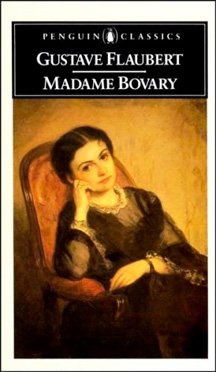
Madame Bovary

Gustave Flaubert is one of the representatuves of the literary movement known as Realism in France. 

Task 1: What was Realism about? What made it different from the previous Romanticism?

Task 2: Look for five relevant facts about Flaubert that could help us understand better his production.

Task 3: What made the novel Madame Bovary so scandalous?